
A dry ice blasting machine is a professional cryogenic cleaning system that uses compressed air to accelerate solid carbon dioxide pellets towards the surface being treated. On impact, the combined action of the jet, the low temperature and the rapid sublimation of CO2 helps detach grease, oil, residues, deposits and contaminants. Dry ice changes directly from a solid to a gaseous state: it introduces no water and leaves no spent abrasive to collect. The material actually removed from the surface must still be managed.
The FEVI range of dry ice blasting machines includes SUBLIMA MINI, BASE, MAX, TOP and ULTRA. The availability of models with different operating capacities makes it possible to select the machine according to the application, frequency of use, available compressor, required mobility and amount of dry ice needed.
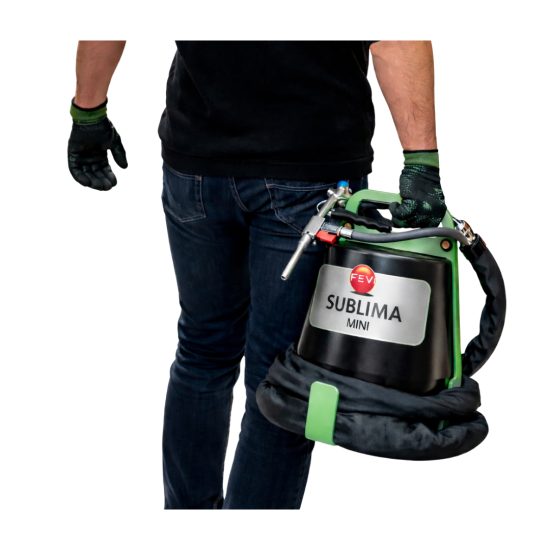
The most important new development is SUBLIMA MINI: its low weight, pneumatic operation and reduced air requirement make it possible to consider dry ice cleaning for localised operations, mobile services, application testing, occasional maintenance and activities that do not have access to a large compressed-air system. It is not simply a reduced version of an industrial process intended only for demonstrations: it is a professional model to be selected when portability, simplicity and control are more important than maximum productivity.
Why is it called a blasting machine if it does not use sand?
The term dry ice blasting machine has become established in the market to describe a machine that projects a solid medium through an air jet. The process, however, is different from conventional abrasive blasting.
In conventional blasting, mineral, metallic, glass or vegetable granules transfer energy to the surface and can etch, matt, roughen or prepare the substrate. In cryogenic cleaning, the projected medium is solid CO2. The primary objective is not to create an anchor profile, but to promote the removal of contaminants while avoiding water and residues from the cleaning medium.
For this reason, the more precise definition is cryogenic cleaner or dry ice cleaning system. Online searches, however, frequently use the expressions dry ice blasting machine and dry ice blasting machines: FEVI uses these terms to help users identify the technology while explaining how it actually works and how it differs from abrasive systems.
How cryogenic cleaning works
The result comes from the combination of three actions. None of them, considered individually, describes the entire process: pressure, nozzle, distance, pellet quantity, type of deposit and resistance of the substrate must all be assessed together.
1. Mechanical action of the jet
Compressed air accelerates the pellets towards the surface. The impact transfers energy to the deposit and helps weaken its adhesion. By changing pressure, nozzle, airflow and distance, the treatment can be made more delicate or more intensive.
2. Thermal action
Dry ice has a temperature of approximately -78 °C. Rapid cooling can make the layer being removed more brittle and create a different response between the contaminant and the base material. The effect is not identical on every surface: coatings, plastics, elastomers, composite materials and sensitive components always require testing.
3. CO2 sublimation
After impact, solid CO2 rapidly changes into gas. This transition helps detach the deposit and explains why no secondary abrasive remains. It does not mean that the contamination disappears: paint, grease, dust, carbon residues or other removed contaminants must still be collected, extracted or managed according to the application.
Practicality and ease of use: the real operating advantage
Dry ice technology becomes particularly useful when it is not perceived as a complex system reserved for a few specialists. The SUBLIMA range has been structured to match the process to the actual requirement: from a transportable machine for localised operations to industrial solutions for continuous work.
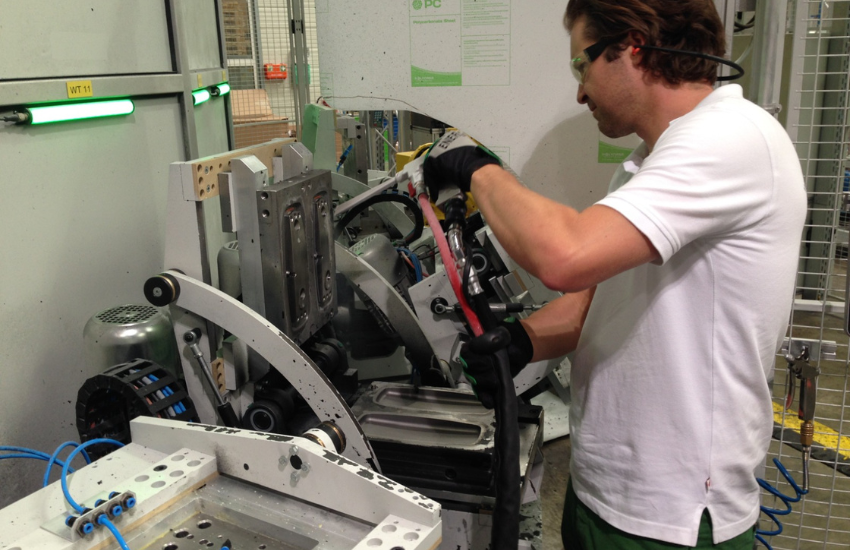
With compact pneumatic models, the operator connects the compressed air, loads the pellets, selects the nozzle, adjusts the feed rate and validates the parameters on a test area. The absence of water eliminates drying time; sublimation avoids the collection of sand or grit; and the possibility of treating assembled components can, when technically and safely possible, reduce dismantling and downtime.
- rapid start-up after correct preparation of the machine and working area;
- no water tank and no abrasive slurry to manage;
- pellet feed adjustable according to the type of residue and required removal level;
- targeted treatment of areas that are difficult to reach with conventional washing systems;
- reduced post-treatment operations when the removed deposit can be collected directly;
- ability to select machine capacity according to the compressor and frequency of use.
Simple does not mean automatic. The operator must understand the material, use correctly stored pellets, have sufficient dry compressed air available, check ventilation and safety and test the process before extending it to the full surface. FEVI combines machine selection with application assessment to avoid both undersized equipment and unnecessarily demanding systems.
SUBLIMA MINI: the dry ice blasting machine that opens up new applications
SUBLIMA MINI was developed to make cryogenic cleaning more accessible from an operational point of view. With a weight of approximately 6.5 kg, a 2 kg hopper, fully pneumatic operation and an indicative air requirement of 150–250 l/min, it can be connected to relatively compact compressors, provided that airflow, pressure and air quality are compatible with the selected configuration.
It uses 1.5 or 3 mm pellets and provides an indicative dry ice consumption of between 6 and 15 kg/hour, varying according to pressure, nozzle, feed rate and type of operation. These figures should not be interpreted as a guarantee of universal productivity: they explain why MINI can be considered in applications where a conventional cryogenic blasting machine would be oversized.
Its compact size primarily changes the way the technology can be introduced. A workshop can use it on selected components; a detailer can develop a service for specific vehicle components and areas; a maintenance technician can transport it to the customer's premises; a technical department can carry out tests without immediately investing in a large system; and a company can start with occasional applications and measure results, time and costs before moving to a larger machine.
New possibilities opened up by SUBLIMA MINI:
- mobile operations at workshops, companies and worksites;
- localised treatment of components, equipment and mechanical parts;
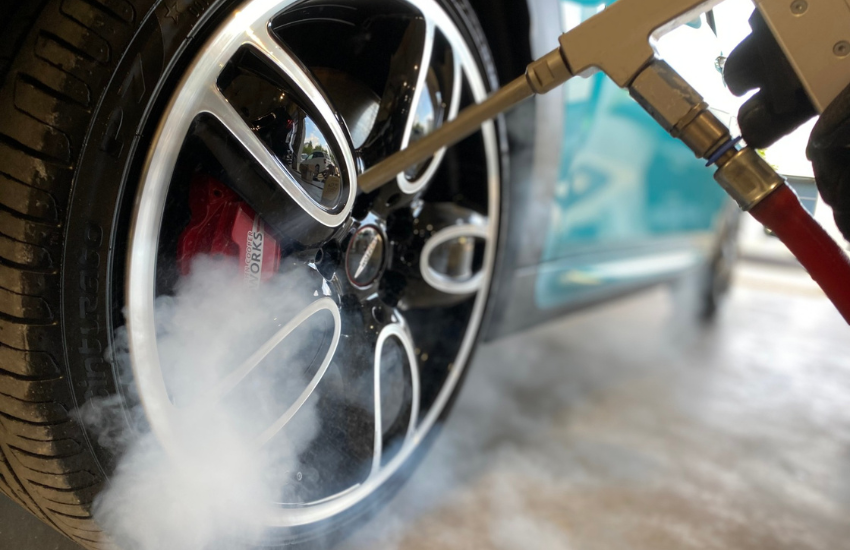
- car detailing on selected areas such as suspension components, underbodies, wheels and engine bays, after testing and protecting sensitive components;
- application tests and demonstrations before introducing cryogenic cleaning on a continuous basis;
- occasional maintenance in companies with limited compressed-air availability;
- gradual development of a professional service without starting with a high-capacity industrial machine.
The FEVI SUBLIMA range: a model for every level of use
A complete range is more useful than presenting a single machine as a universal solution. The correct choice must start from the actual work, not only from price or nominal power. The following table provides initial guidance; the final configuration should be verified by considering available compressed air, nozzle, pressure, pellets, cycle duration and contaminant.
| SUBLIMA model | Usage profile | When to consider it |
|---|---|---|
| SUBLIMA MINI | Ultra-compact, portable, low air requirement | Localised operations, mobility, application tests, occasional use or development of a new service. |
| SUBLIMA BASE | Compact and more structured | Recurring professional cleaning when greater autonomy than MINI is required. |
| SUBLIMA MAX | Balance between compact size and performance | Frequent use in workshops, maintenance, car detailing and industrial applications. |
| SUBLIMA TOP | Higher operating capacity | Demanding and continuous work with adequately sized compressed-air supply. |
| SUBLIMA ULTRA | Intensive, configurable industrial range | Moulds, production lines, machinery and stable processes requiring high productivity. |
SUBLIMA BASE: compact for recurring use: SUBLIMA BASE is suitable for users who want to retain simplicity and compact dimensions while carrying out professional operations more frequently than occasional use. It represents the natural next step when MINI does not provide the required autonomy or capacity.
SUBLIMA MAX: balance between performance and practicality: SUBLIMA MAX is the most versatile model in the range: it combines compact dimensions, adjustable pellet feed and performance suitable for workshops, maintenance, car detailing and frequent industrial applications. It is the model to consider when the process must become a stable operating tool without moving into the most intensive category.
SUBLIMA TOP: for more demanding operations: SUBLIMA TOP increases operating capacity and is designed for more continuous work. It requires compressed-air availability consistent with the required performance and is intended for companies and technical departments dealing with significant residues, larger surfaces or repeated cycles.
SUBLIMA ULTRA: intensive industrial cryogenic cleaning: SUBLIMA ULTRA is designed for the most demanding applications in the range, where high capacity, continuous operation, process adjustment and a suitable industrial pneumatic system are required. Its pellet-size management system increases configuration flexibility for moulds, production lines and machinery.
Where dry ice blasting machines are used
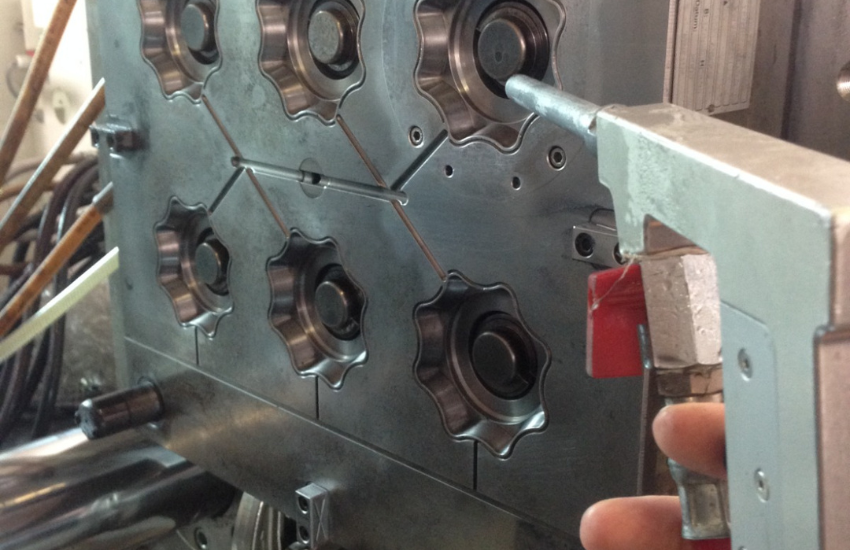
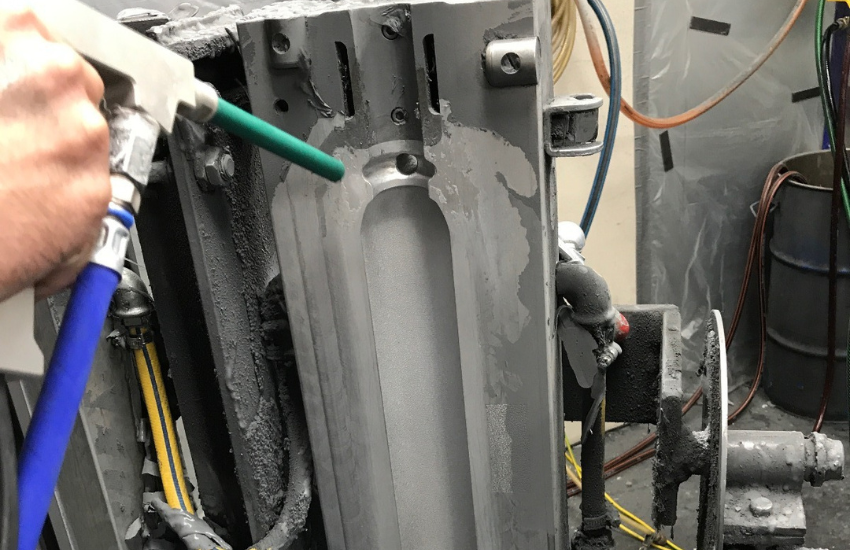
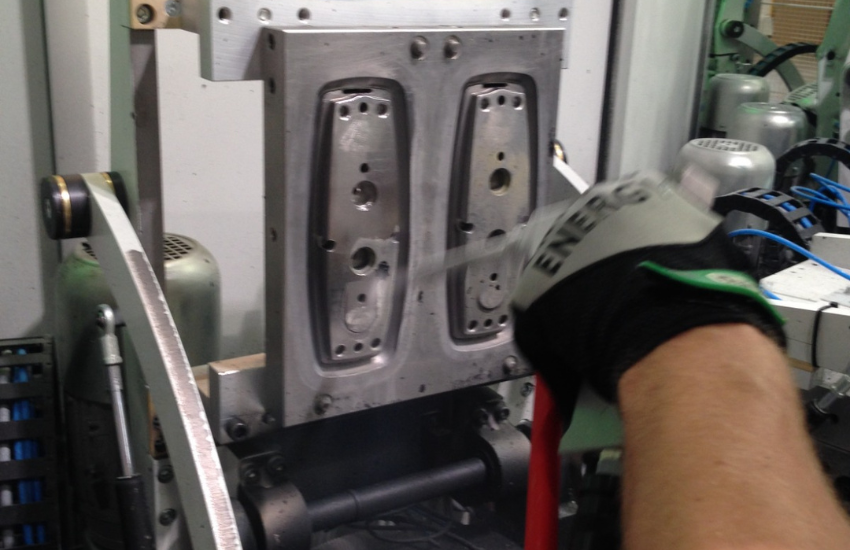
Industrial maintenance and production: Dry ice cleaning can be considered for moulds, dies, presses, equipment, mechanical components and production-line parts. It is particularly interesting when water, solvents or residual abrasives would create additional operations. The possibility of treating a component while still assembled must always be verified by the technical manager and through the risk assessment.
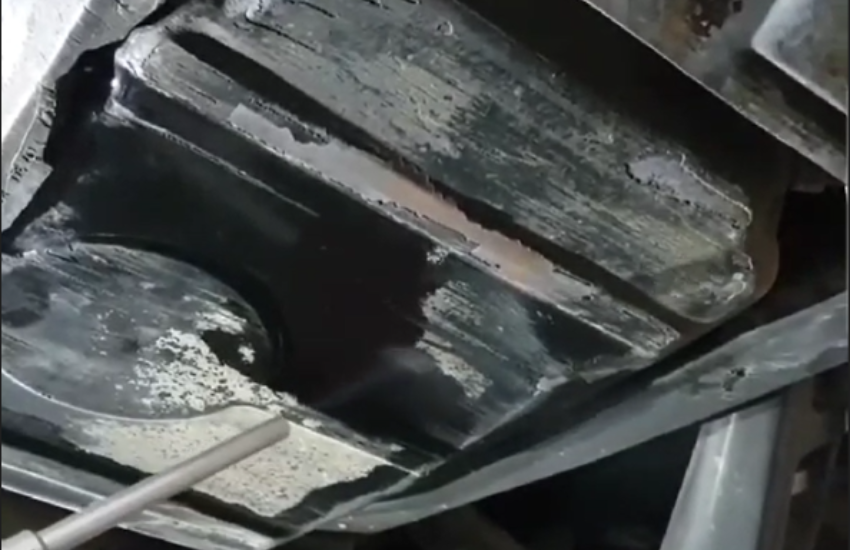
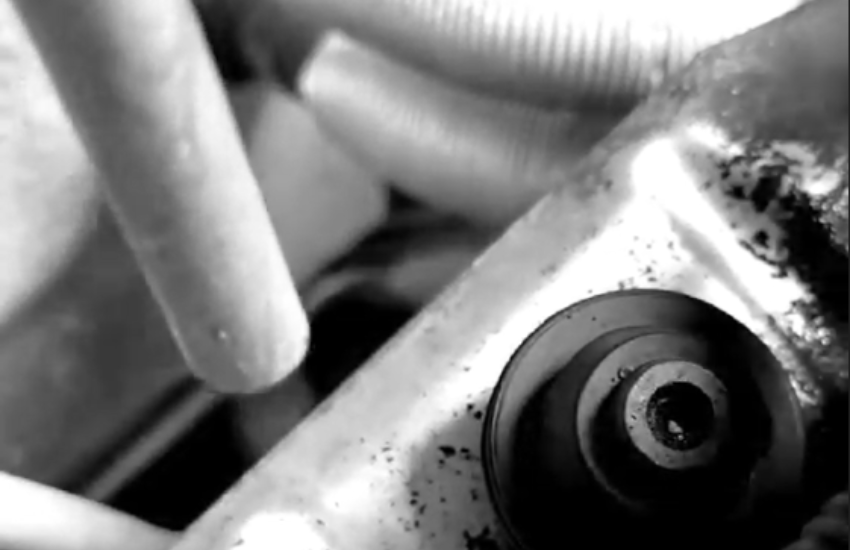
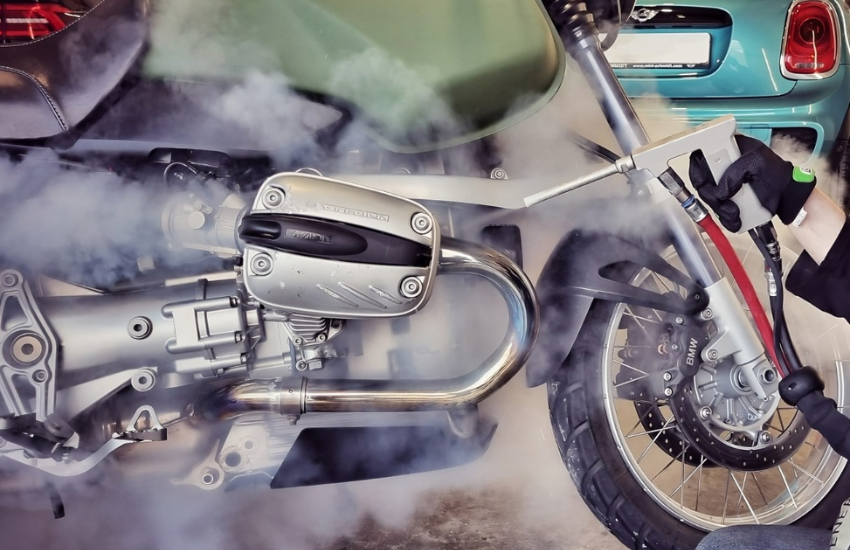
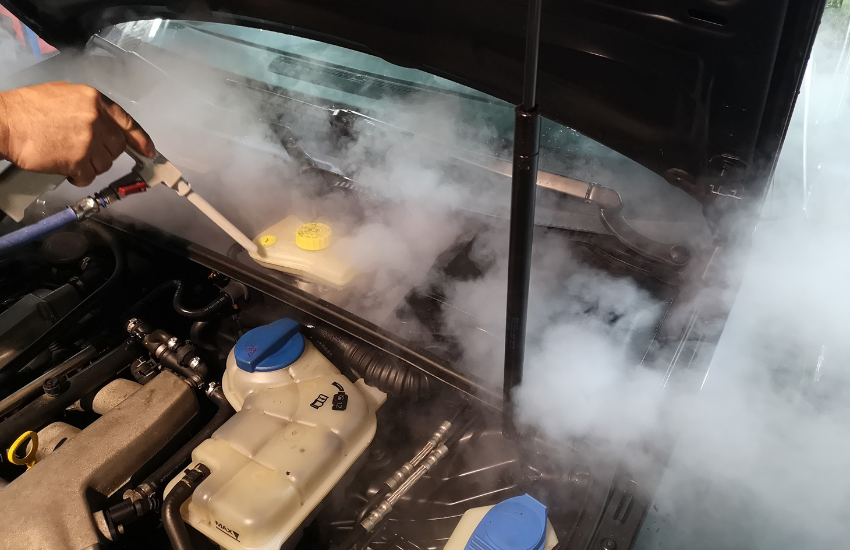
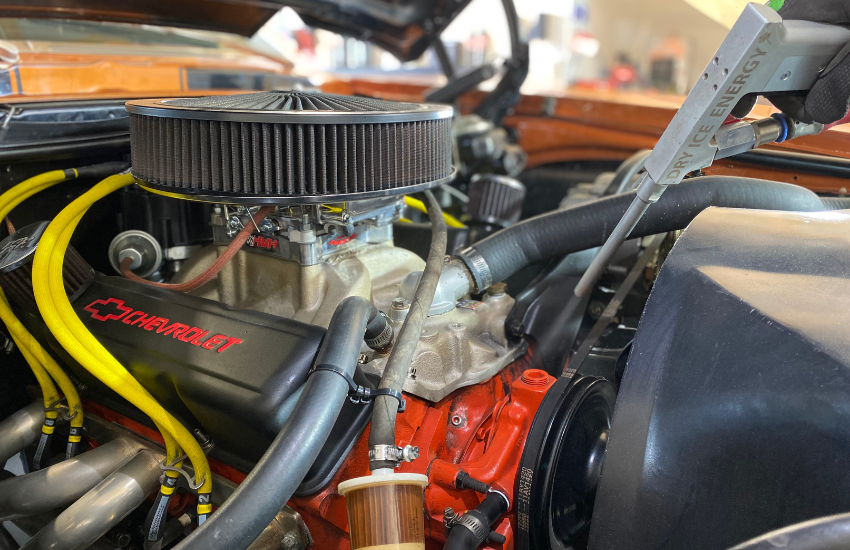
Automotive, workshops and car detailing: Underbodies, suspension components, wheels, mechanical parts and engine bays are among the most common applications. The process can remove grease, oil and adhering dirt without wetting the area. Wiring, ECUs, sensors, seals, plastics and coatings require protection, preliminary testing and controlled parameters.
Moulds and process residues: Release-agent residues, adhesives, rubber, carbonised material or production contaminants can be treated without introducing blasting grit. Mould geometry, temperature, finish and the nature of the deposit determine pressure, nozzle and achievable productivity.
Food industry: The absence of water and secondary abrasive can be an advantage on compatible machinery and equipment. The process must be incorporated into the company's hygiene and safety procedures, with checks on materials, residue collection, ventilation and compliance with rules applicable to the specific process.
Electrical systems and components: The dry process is interesting where water is undesirable. Dry does not automatically mean safe on energised components: equipment must be made safe according to company procedures and the treatment authorised only after assessing the component, insulation, contamination, electrostatic discharge and ventilation.
Restoration and sensitive surfaces: The ability to reduce mechanical action makes the technology useful for some delicate operations. There is, however, no universal compatibility. Original paints, wood, porous materials, degraded stone, plastics and composite surfaces must be tested on a non-visible area before proceeding.
Real benefits of dry ice blasting
- dry process with no introduction of water;
- no sand, grit or other spent cleaning medium;
- reduced slurry, drying and abrasive collection operations;
- ability to treat complex geometries and hard-to-reach areas;
- adjustable treatment through pressure, nozzle and pellet feed;
- scalable range from portable models to industrial systems;
- possible reduction in dismantling and downtime when the application and safety conditions allow;
- reduction or elimination of detergents and solvents in many compatible applications.
These benefits must be measured across the complete process. The cost of dry ice, product availability, compressed air, treatment time, collection of removed residue and operator training all affect the economic result. Testing on a representative component is more reliable than a comparison based only on machine price.
Limitations to understand before purchasing
A dry ice blasting machine does not replace every surface-treatment system. It is not the correct choice when the objective is to create deep roughness, remove thick layers through abrasive action or prepare metal to a grade that requires conventional abrasive blasting. Very hard or thick contaminants may require long processing times or a different method.
- dry ice sublimates during storage and transport, so supply must be planned close to the time of use;
- an undersized compressor reduces jet stability and performance;
- old or deteriorated pellets reduce feed consistency and effectiveness;
- removed material does not disappear and may require extraction or collection;
- adequate ventilation is required in enclosed areas and CO2 monitoring may be necessary;
- jet noise requires assessment and hearing protection;
- low temperature, pressure and nozzle geometry can damage sensitive surfaces if parameters are incorrect.
How to choose the correct dry ice blasting machine
- Define the deposit to be removed: grease, oil, adhesive, carbon residue, paint, production dirt or another contaminant.
- Identify the material, geometry, finish and sensitivity of the substrate.
- Establish the frequency, duration and continuity of the operations.
- Measure the airflow, pressure and compressed-air quality actually available at the point of use.
- Assess mobility, machine dimensions, access to the areas being treated and distance from the compressor.
- Check the availability, size, consumption and logistics of dry ice pellets.
- Define ventilation, residue collection and protective equipment.
- Carry out a test on a representative sample and record the effective parameters.
- Compare cost per operation, time saved and subsequent operations avoided.
- Select the SUBLIMA model that provides sufficient operating margin without oversizing the system.
The compressor is one of the key selection criteria. Motor horsepower alone is not enough: actual airflow at working pressure, continuity, air quality, line diameter and pressure losses between compressor and machine must be considered. SUBLIMA MINI reduces this barrier thanks to its limited air requirement; moving up through the range increases both capacity and required airflow. FEVI can verify the configuration using the data from the existing compressed-air system.
How much does a dry ice blasting machine cost?
The price depends on capacity, adjustment options, nozzle equipment, autonomy, air consumption, robustness, level of use and included services. Comparing only the initial cost can result in choosing a machine that is too small and therefore slow, or an industrial model that is disproportionate to the actual workload.
A more useful assessment includes investment, required compressor, dry ice consumption, local pellet availability, operator time, residue collection and the reduction of dismantling, washing or drying operations. SUBLIMA MINI opens up a more accessible entry level particularly in terms of compressed-air requirements and portability, while MAX, TOP and ULTRA address progressively higher levels of frequency and productivity.
Safety: CO2, low temperature, noise and removed residues
Dry ice is solid carbon dioxide at a very low temperature. Direct contact can cause cold injuries; CO2 released by sublimation can accumulate in enclosed or poorly ventilated spaces and reduce atmospheric safety. The gas is heavier than air and may collect in low areas.
- use and store dry ice in adequately ventilated areas;
- do not seal it in airtight containers;
- use suitable gloves, eye and face protection and any other PPE identified by the risk assessment;
- assess hearing protection and area separation because of jet noise;
- monitor CO2 concentration when the environment, quantity used or procedure makes this necessary;
- extract or collect detached contaminants, especially when they may be hazardous;
- make machinery and components safe before treatment according to company procedures.
The simplicity of the machine does not reduce the importance of the procedure. The manual, training, initial testing and assessment of the working environment remain integral parts of professional use.
Mistakes to avoid
- selecting the model based only on price;
- confusing cryogenic cleaning with conventional abrasive blasting;
- assuming that every surface can be treated without testing;
- underestimating air requirements and pressure losses in the line;
- using deteriorated pellets or storing them for too long;
- working in poorly ventilated spaces without assessing CO2 concentration;
- considering the process residue-free and ignoring the material removed;
- using high parameters on plastics, seals, wiring or sensitive finishes;
- failing to measure time, consumption and results on a real sample.
Frequently asked questions about dry ice blasting machines
What is a dry ice blasting machine?
It is a machine that uses compressed air to project solid CO2 pellets onto a surface. The process combines impact, cooling and sublimation to help detach residues without water and without leaving spent abrasive behind.
How does a dry ice blasting machine work?
Compressed air accelerates the pellets; the jet transfers energy to the deposit, the low temperature can make it more brittle and the CO2 sublimates from solid to gas. After treatment, the removed material must be collected, not the dry ice.
Does dry ice leave residues?
The cleaning medium leaves no sand, grit or liquid because it sublimates. Dirt, paint, grease, dust or other detached contaminants remain and must be extracted, collected or disposed of correctly.
Is dry ice blasting abrasive?
It does not work like conventional abrasive blasting and in many applications it preserves the substrate. It should not, however, be described as harmless to every material: pressure, pellet size, nozzle, distance and thermal shock can alter or damage sensitive surfaces.
What compressor is required for a dry ice blasting machine?
It depends on the model, nozzle and continuity of use. SUBLIMA MINI has an indicative requirement of 150–250 l/min, making it possible to use relatively compact compressors. Larger models require progressively higher airflow and verification of the pneumatic system.
How much dry ice does SUBLIMA MINI consume?
Indicative consumption is between 6 and 15 kg/hour. Actual consumption varies according to feed rate, pressure, nozzle, deposit and duration of the operation. A test makes it possible to measure consumption per component or per cycle.
Is SUBLIMA MINI a professional machine?
Yes. It is a compact cryogenic cleaner designed for professional localised, mobile or non-continuous operations. Its purpose is to provide portability and simplicity with a limited air requirement, not to replace industrial models in intensive applications.
Can it be used for car detailing?
Yes, after an application assessment. Typical areas include underbodies, suspension components, wheels, mechanical parts and engine bays. Sensors, wiring, control units, plastics, seals and finishes must be protected and tested.
Can it be used on electrical components?
The process is dry, but this does not automatically permit work on energised components. The system must be made safe and insulation, contamination, ventilation, electrostatic discharge and the technical manager's procedures must be assessed.
Which SUBLIMA model should I choose?
MINI for mobility and localised operations; BASE for recurring professional use; MAX for a balance between compact size and performance; TOP for more demanding work; ULTRA for intensive industrial applications. The final choice depends mainly on the application and available compressed air.
How much does a dry ice blasting machine cost?
The price varies according to capacity, equipment, autonomy and level of use. It is more useful to compare cost per operation, required compressor, pellet consumption, time saved and subsequent operations avoided. FEVI can define a configuration starting from the application.
Is specific training required?
Training appropriate to the machine and working environment is required: connections, adjustments, pellet storage, testing on the substrate, ventilation, PPE and residue management. The learning curve can be short, but the procedure must remain professional.
Ask FEVI for the most suitable SUBLIMA configuration
To identify the correct dry ice blasting machine, provide FEVI with the material to be treated, the residue to be removed, the frequency of operations, the dimensions of the components and the specifications of the available compressed-air supply. Photographs or a sample make it possible to assess the nozzle, pellet feed and model more quickly.